
Low-light camera modules
Define the job of the image in a low-light project: human viewing, recording or algorithm input. The subject, available lighting, exposure limits and image processing determine how the prototype should be evaluated.
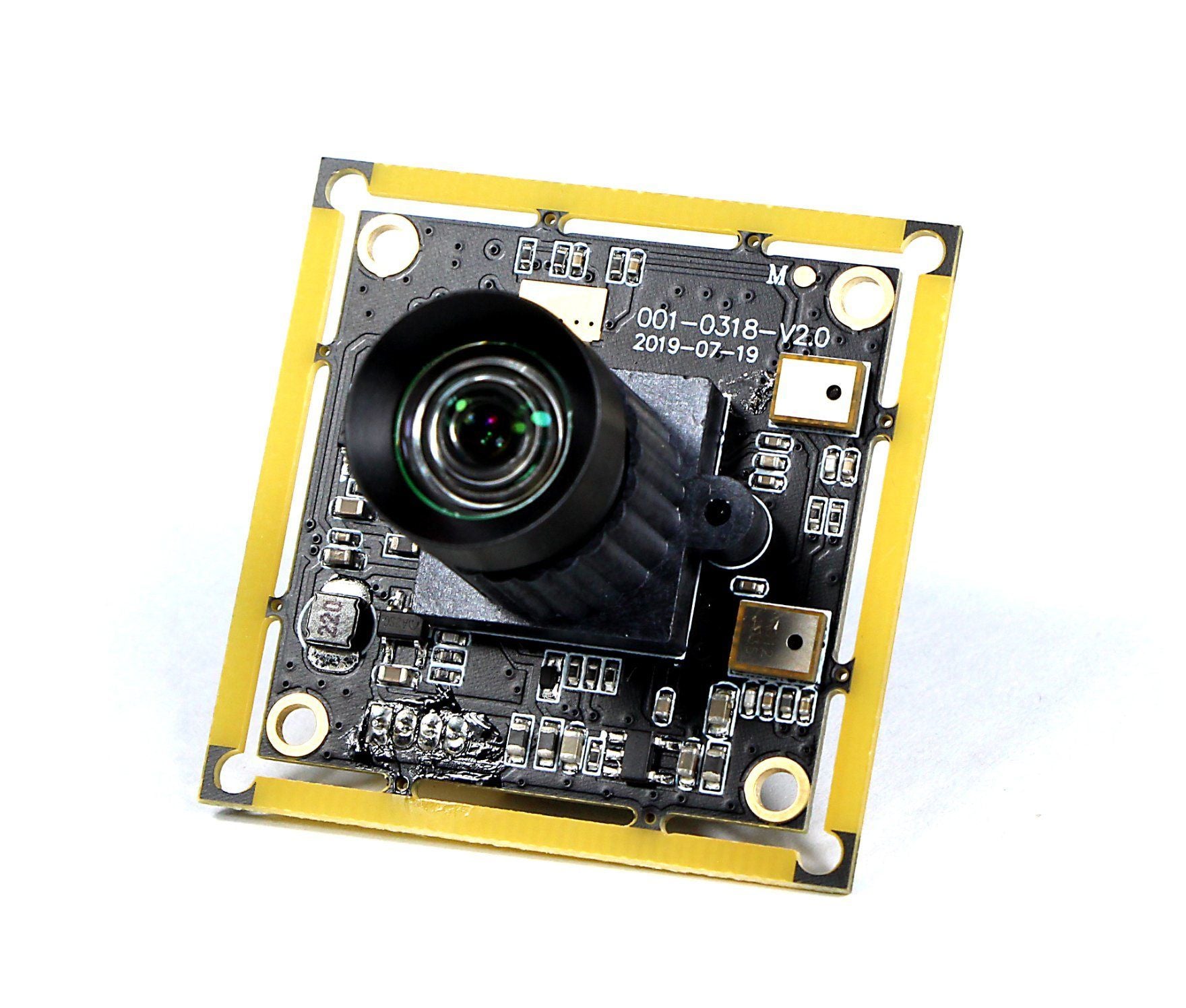
Brightness is one part of the assessment
Longer exposure can increase motion blur, while gain amplifies signal and noise. Compare detail, blur, noise and highlights as well as brightness, and record the exposure and gain settings.
Information needed for selection
- Scene lighting:Light sources, their positions, changes in brightness, and illuminance readings with measurement positions where available.
- Task and subject:Subject, minimum required detail, distance and whether color is needed.
- Motion constraints:Subject or equipment motion, acceptable blur and exposure-time limits.
- Optics and illumination:Lens space, field of view, focus requirements and whether visible or infrared illumination is permitted.
- Output conditions:Target frame rate, pixel format, exposure and gain control, and active image processing.
- Comparison basis:Current samples, observed problems, comparison hardware and the specific measures to improve.
Make the test repeatable
Keep optics, distance, lighting and subject motion consistent when comparing modules or settings. Save original files and capture settings, including automatic exposure or noise reduction configurations. Screenshots help discussion, but retain samples that have not been recompressed by messaging services for evaluation.